
How gardening bloggers use AI often starts with a simple goal: publishing more content without becoming overwhelmed by research, planning, and seasonal updates.
Running a gardening blog may look relaxing from the outside.
Readers see beautiful flower gardens, healthy vegetable beds, seasonal planting guides, and practical tips that make gardening easier.
What they rarely see is the amount of work required before an article is ever published.
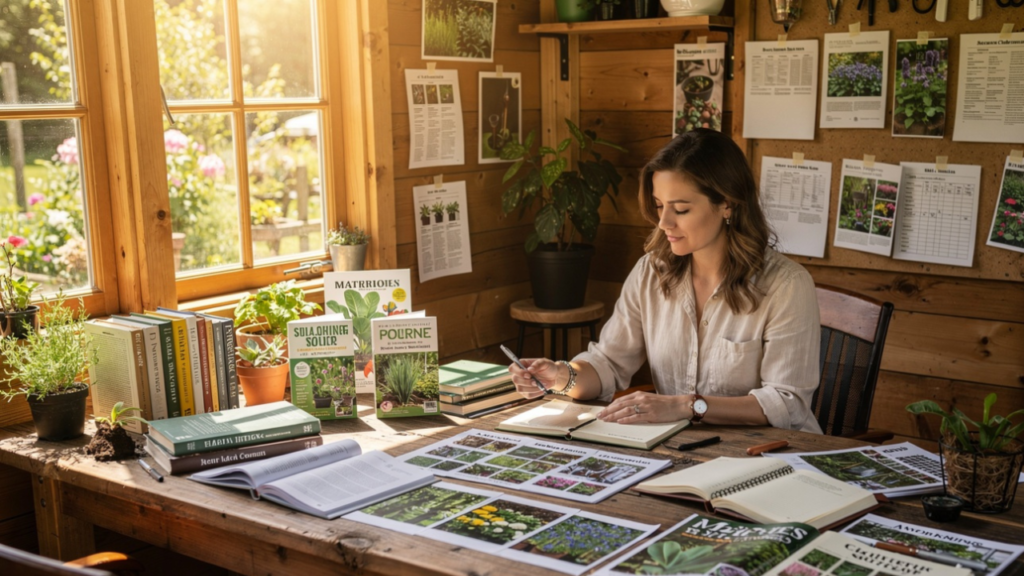
A gardening blogger often spends time researching plant varieties, testing techniques, taking photos, updating older articles, comparing products, organizing seasonal content, and planning future topics.
For many creators, writing is only one part of the process.
The real challenge is maintaining a steady flow of useful content throughout the year.
This is one reason AI tools are becoming increasingly common among gardening bloggers.
The goal is rarely to replace knowledge or experience.
Instead, these tools help creators stay organized, manage growing content libraries, and spend more time focusing on what readers actually care about: practical gardening advice.
Gardening Content Never Truly Stops
Unlike some niches that remain relatively stable throughout the year, gardening constantly changes with the seasons.
A blogger may be publishing content about:
Spring planting schedules
Summer garden maintenance
Fall harvest preparation
Winter garden protection
Indoor growing systems
Container gardening
Lawn care
Pest management
Soil improvement
Each season creates new opportunities for content.
At the same time, older articles often require updates to remain useful and relevant.
As websites grow, managing this content becomes increasingly complex.
Many bloggers discover that creating new articles is not their only responsibility.
Building an organized publishing system becomes easier when creators use structured content planning workflows. See how creators manage growing content libraries in our guide about AI content planning for creators.
Maintaining existing content can require just as much attention.
The Hidden Work Behind Gardening Blogs
Readers usually see the finished article.
They do not see the hours spent preparing it.
A typical gardening blog post may involve:
Researching plant information
Verifying growing conditions
Comparing products
Taking photographs
Testing techniques
Organizing notes
Writing drafts
Editing content
Updating older posts
Planning related articles
For affiliate websites, the workload often expands further.
Creators may need to compare tools, review equipment, update recommendations, and maintain product-related content over time.
Many bloggers eventually reach a point where organization becomes just as important as writing.
Without a system, content ideas can quickly become scattered across notebooks, spreadsheets, browser tabs, and unfinished drafts.
Why Many Gardening Bloggers Turn to AI
When people hear about AI writing tools, they often imagine articles being generated automatically.
In reality, most bloggers use AI in much more practical ways.
For many creators, AI functions as an organizational assistant.
Common uses include:
Creating article outlines
Organizing research notes
Generating topic ideas
Summarizing information
Building content calendars
Improving readability
Planning article updates
Structuring long-form content
The blogger still provides the knowledge, experience, and expertise.
AI simply helps manage the growing amount of information involved in maintaining a content website.
For creators balancing content creation with other responsibilities, this support can significantly reduce workload.
Many independent creators use AI assistants to streamline writing workflows across different niches. Explore how finance newsletter creators use AI writing tools to stay organized and publish consistently.
ChatGPT
ChatGPT remains one of the most widely used AI tools among bloggers.
Many gardening creators use it during the planning stage rather than the publishing stage.
Typical uses include:
Brainstorming article ideas
Creating outlines
Organizing research
Generating FAQ sections
Planning content clusters
Because gardening websites often cover hundreds of related topics, structure becomes extremely important.
ChatGPT can help creators build logical content systems that support long-term growth.
Claude
Claude is particularly useful when working with larger amounts of information.
Many bloggers use it to review lengthy notes, summarize research, and organize complex topics into more readable formats.
For creators producing detailed gardening guides, this can help simplify the writing process without sacrificing clarity.
Gemini
Gemini is often used for research organization and content planning.
Many bloggers appreciate its ability to help structure educational content while maintaining a conversational tone.
This can be valuable when explaining gardening topics to beginners who may not be familiar with technical terminology.
Notion AI
Notion AI serves a different role than traditional writing assistants.
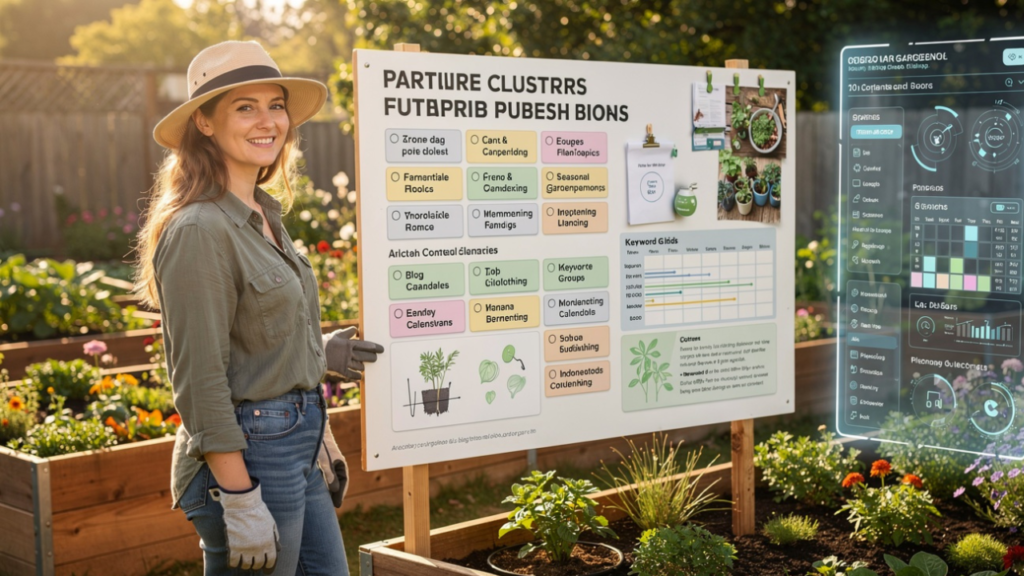
Many gardening bloggers use it as the foundation of their content management system.
Inside a single workspace, creators can organize:
Future article ideas
Seasonal publishing calendars
Keyword research
Content updates
Affiliate opportunities
Editorial plans
For growing websites, organization often becomes one of the biggest productivity advantages.
Productivity systems play a major role in long-term content creation. See how solo creators use productivity tools to manage publishing schedules and content workflows.
Jasper
Jasper remains popular among affiliate marketers and content creators who publish frequently.
Many bloggers use it to support:
Article drafting
Product comparisons
Meta descriptions
Content planning
Marketing copy
While it does not replace expertise, it can help reduce repetitive writing tasks that consume valuable time.
Content Organization Often Matters More Than Writing Speed
One common misconception is that successful bloggers simply write faster.
In reality, many succeed because they organize better.
A creator with a clear publishing system often produces more content than someone constantly searching through scattered notes and unfinished drafts.
Many experienced gardening bloggers maintain organized collections of:
Future article topics
Seasonal content plans
Plant guides
Product reviews
Affiliate opportunities
Research materials
AI tools can help maintain these systems as websites grow.
The result is often greater consistency rather than faster writing.
The Biggest Mistake Gardening Bloggers Make With AI
Some creators assume AI can replace firsthand experience.
This is rarely true.
Gardening is deeply practical.
Growing conditions vary.
Climate changes.
Soil quality differs from one location to another.
Techniques that work in one garden may fail in another.
Readers value gardening blogs because they offer real-world observations and experience.
An AI tool can help organize information.
It cannot replace years of testing, learning, and problem-solving in an actual garden.
The most successful creators use AI as a support tool rather than a substitute for expertise.
Why Human Experience Still Builds Trust
Gardening readers often look for guidance from people who have faced similar challenges.
They want to learn from:
Successful harvests
Failed experiments
Seasonal observations
Product experiences
Practical solutions
Personal lessons
These elements create trust.
A planting guide becomes more valuable when it includes real experience.
A product recommendation becomes more useful when it reflects actual use.
A gardening blog becomes more memorable when readers feel they are learning from a real person.
This human element remains one of the strongest advantages independent creators have.
The Future of Gardening Content
Gardening continues attracting new audiences every year.
More people are exploring vegetable gardens, container growing, sustainable practices, and backyard projects than ever before.
As content competition increases, organization becomes increasingly important.
AI tools are helping creators manage larger content libraries, maintain publishing schedules, and simplify repetitive tasks.
Similar workflow improvements are happening across other creator industries, including blogging, video creation, and social media publishing. Learn how Instagram Reel creators use AI scheduling tools to stay consistent.
But technology alone will not build successful websites.
The blogs that continue growing are usually the ones that combine:
Practical knowledge
Consistent publishing
Strong organization
Useful information
Authentic experience
AI can help organize ideas.
It can help structure articles.
It can help manage content workflows.
But readers rarely return because an article was produced efficiently.
They return because the information helped them grow something successfully.
For gardening bloggers, that remains the most valuable result any piece of content can achieve.
Understanding how gardening bloggers use AI is less about automation and more about building sustainable publishing systems.

ForgeCreatorAI Team writes about AI tools, content creation, digital workflows, and productivity systems for modern creators. Our goal is to simplify AI technology and help creators work smarter through practical tools and automation.