
Running a podcast alone sounds exciting at first. Recording conversations, sharing ideas, building an audience, and publishing episodes can feel incredibly rewarding for independent creators.
Productivity apps for solo podcast creators are becoming essential tools for managing recording schedules, content planning, publishing workflows, and audience growth.
But after a few weeks, most solo podcasters realize that recording is only a small part of the process.
Research, editing, scheduling, social media promotion, thumbnails, publishing, show notes, audience management, and guest coordination quickly turn podcasting into a full-time content workflow.
Without organization, things can become chaotic very fast.
Creators who build structured content systems often find it easier to maintain consistency and avoid workflow bottlenecks. Learning how small creators organize entire publishing schedules with AI can provide useful insights for podcasters managing multiple tasks independently.
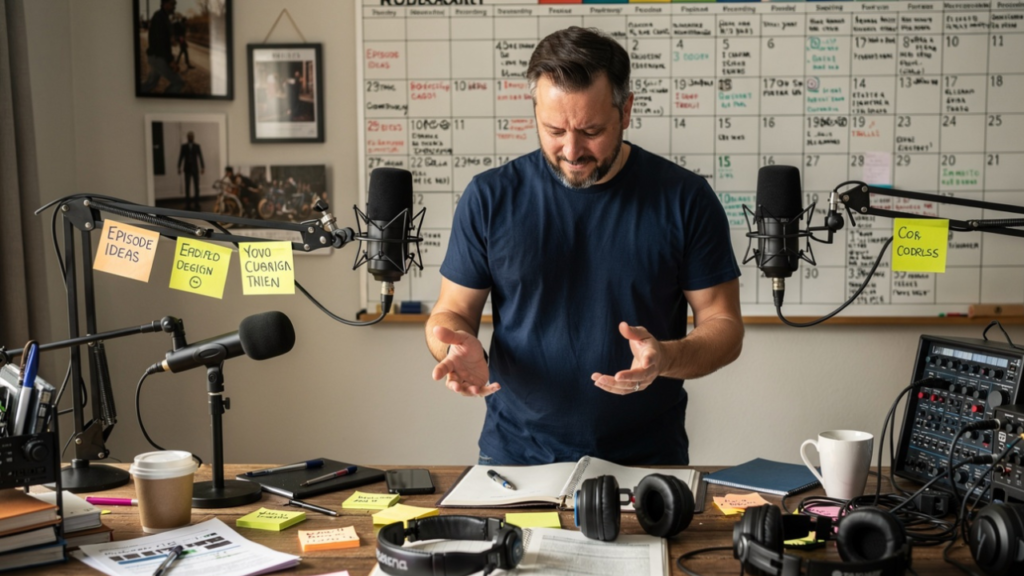
This is exactly why productivity apps have become essential for modern podcast creators. The right tools help simplify repetitive tasks, organize projects, reduce mental overload, and make publishing schedules easier to maintain.
As podcasting becomes increasingly competitive, creators who build efficient systems often gain a major advantage. Instead of constantly feeling behind, they can focus more on storytelling, audience connection, and content quality.
For solo podcasters trying to stay consistent without burning out, productivity tools are no longer optional. They are part of building a sustainable creative workflow.
Why Productivity Matters for Solo Podcast Creators
Podcasting involves much more than simply recording audio.
A single episode may require:
- Topic research
- Script planning
- Guest communication
- Audio recording
- Editing
- Thumbnail creation
- SEO optimization
- Show notes
- Social media promotion
- Scheduling
- Audience interaction
Many creators initially try to manage everything mentally, but this usually becomes unsustainable as the podcast grows.
Consistency matters.
Time management is often one of the biggest challenges for independent creators. Many of the same productivity principles used by faceless video creators can also help podcasters maintain publishing schedules more effectively.
Listeners tend to trust podcasts that publish regularly, and long gaps between episodes can reduce engagement surprisingly quickly.
This is one reason why organized systems become so important for independent podcasters.
Productivity apps help creators reduce scattered workflows and create a more manageable production process.
Features to Look for in Productivity Apps
Not every productivity platform works well for podcasters. Some apps are designed for corporate project management, while others are much more flexible for creative workflows.
The best productivity tools for podcast creators usually focus on organization, flexibility, automation, and simplicity.
Task and Workflow Organization
Podcast production includes multiple stages, and each stage requires planning.
A good productivity app should help organize:
- Recording schedules
- Research notes
- Episode planning
- Publishing checklists
- Content calendars
- Workflow tracking
Clear systems reduce stress and help creators avoid missing important tasks.
Some podcasters prefer highly detailed workflows, while others work better with lightweight systems. The ideal setup depends entirely on personal work style.
Cross-Platform Access
Most creators work across multiple devices throughout the day.
A productivity platform that syncs between desktop, mobile, and tablet makes workflow management far more practical, especially for creators who travel frequently or work remotely.
Cloud synchronization also reduces the risk of losing notes, ideas, or production schedules.
AI Assistance
AI-powered writing and organization tools are already helping newsletter creators streamline research, outlines, and publishing workflows. Similar systems can help podcasters manage episode planning and content organization more efficiently.
Modern productivity apps increasingly include AI-powered features.
These tools can help creators:
- Summarize research
- Generate outlines
- Organize information
- Improve writing
- Automate repetitive tasks
For podcasters producing episodes consistently, even small time savings can become valuable over the long term.
Collaboration Features
Even independent podcasters occasionally collaborate with:
- Editors
- Designers
- Guests
- Sponsors
- Audio engineers
Apps with sharing and collaboration features simplify communication and help keep projects organized.
Content Planning Tools
Planning future episodes becomes much easier when creators can visualize their publishing schedules.
Useful features include:
- Drag-and-drop calendars
- Workflow templates
- Publishing reminders
- Content pipelines
- Editorial scheduling
Long-term organization helps creators stay consistent without constantly feeling overwhelmed.
Best Productivity Apps for Solo Podcast Creators
Notion
Notion has become one of the most popular productivity platforms among creators for good reason.
It combines note-taking, databases, task management, AI tools, and workflow organization inside a highly customizable workspace.
Many podcasters use Notion to manage:
- Episode ideas
- Guest lists
- Sponsorship tracking
- Publishing schedules
- Research notes
- Script outlines
Its flexibility allows creators to build systems that match their personal workflows instead of forcing rigid structures.
Notion AI can also help summarize notes and organize ideas more efficiently.
Trello
Trello offers a very visual approach to productivity.
Using boards and cards, creators can organize podcast production stages in a simple way.
A typical workflow might include:
- Ideas
- Research
- Recording
- Editing
- Scheduled
- Published
Its simplicity makes Trello particularly useful for beginners who want structure without overly complicated dashboards.
Many creators appreciate how easy it is to understand immediately.
ClickUp
ClickUp is designed for more advanced workflow management.
It includes:
- Task automation
- Detailed scheduling
- Time tracking
- Goal management
- Collaboration tools
- Workflow customization
For podcasters managing large content pipelines, ClickUp can become extremely powerful.
However, some creators may initially find the platform slightly overwhelming because of the number of available features.
Google Keep
Sometimes simple tools work surprisingly well.
Google Keep is useful for quickly capturing:
- Episode ideas
- Voice notes
- Quick reminders
- Future topics
- Inspiration
Many podcasters use it as a lightweight idea collection system before transferring information into larger workflow platforms.
Its speed and simplicity are its biggest strengths.
Evernote
Evernote remains valuable for creators who manage large amounts of research and long-form notes.
It works especially well for:
- Educational podcasts
- Interview preparation
- Storytelling formats
- Research-heavy episodes
Organized research becomes increasingly important as podcast libraries grow over time.
Calendly
Scheduling guests manually can consume far more time than many creators expect.
Calendly simplifies the process by allowing guests to select available recording times automatically.
This reduces:
- Scheduling confusion
- Missed appointments
- Email back-and-forth
It also creates a more professional experience for guests and collaborators.
Step-by-Step Productivity Workflow for Podcasters
Using productivity apps effectively becomes easier when creators follow a repeatable workflow.
Step 1: Create a Centralized Workspace
Start by organizing all podcast-related information in one location.
This may include:
- Episode schedules
- Publishing checklists
- Research notes
- Recording plans
- Sponsorship details
Centralized systems reduce mental clutter and improve workflow clarity.
Step 2: Build a Repeatable Production Process
Consistency becomes easier when every episode follows the same structure.
Example workflow:
- Topic research
- Outline creation
- Recording
- Editing
- Thumbnail creation
- Show notes
- Scheduling
- Promotion
Templates help reduce repetitive decision-making and speed up production.
Step 3: Use AI to Save Time
AI tools can significantly reduce repetitive workload.
Many creators use AI assistance for:
- Show notes
- Episode summaries
- Social media captions
- Title suggestions
- Research organization
The goal is not to replace creativity, but to improve efficiency.
Step 4: Batch Content in Advance
Many successful podcasters record multiple episodes ahead of schedule.
Batching content helps reduce stress and prevents missed publishing dates during busy periods.
This strategy also creates more flexibility when unexpected situations happen.
Step 5: Continuously Improve the Workflow
No productivity system stays perfect forever.
As podcasts grow, creators often need to adjust their systems based on:
- Audience growth
- Publishing frequency
- Workload changes
- Content complexity
Small workflow improvements can create massive long-term benefits.
Common Productivity Mistakes Podcasters Should Avoid
Many creators become overwhelmed not because podcasting is impossible, but because their workflows become disorganized.
Common mistakes include:
- Using too many productivity apps at once
- Failing to document workflows
- Ignoring scheduling systems
- Trying to remember everything mentally
- Overcomplicating production
- Publishing inconsistently
Perfectionism can also become a major productivity problem.
Many podcasters spend excessive time adjusting minor details instead of focusing on consistency and audience value.
How Productivity Systems Help Prevent Burnout
Burnout has become increasingly common among independent creators.
Constant content production without structure often leads to exhaustion, stress, and declining motivation.
Many creators eventually realize that burnout often comes more from disorganization than from the amount of work itself.
Productivity systems help create:
- Predictable routines
- Clear priorities
- Better time management
- Reduced mental overload
- More sustainable workflows
When creators know exactly what needs to be done, podcasting becomes far less stressful.

The Future of Productivity for Independent Podcasters
As podcasting continues growing globally, creators who build efficient systems will likely gain a major long-term advantage.
Modern productivity tools are evolving far beyond traditional task management. AI-powered platforms now help creators organize ideas, automate repetitive tasks, manage publishing pipelines, and simplify research faster than ever before.
Still, technology alone is not what creates successful podcasts.
The podcasters who build sustainable audiences are usually the ones who combine organization, consistency, authenticity, and meaningful storytelling.
For many solo creators, productivity is not about working endlessly or publishing as much content as possible. It is about building systems that make content creation feel manageable and enjoyable over the long term.
The right workflow creates more freedom for creativity, better audience connection, and a healthier relationship with the content creation process itself.
In the end, the best productivity system is the one that helps creators stay consistent without losing the passion that made them start podcasting in the first place.
ForgeCreatorAI Team writes about AI tools, content creation, digital workflows, and productivity systems for modern creators. Our goal is to simplify AI technology and help creators work smarter through practical tools and automation.